
2026Multi-objective Learning
SURF: Steering the Scalarization Weight to Uniformly Traverse the Pareto Front
NeurIPS 2026
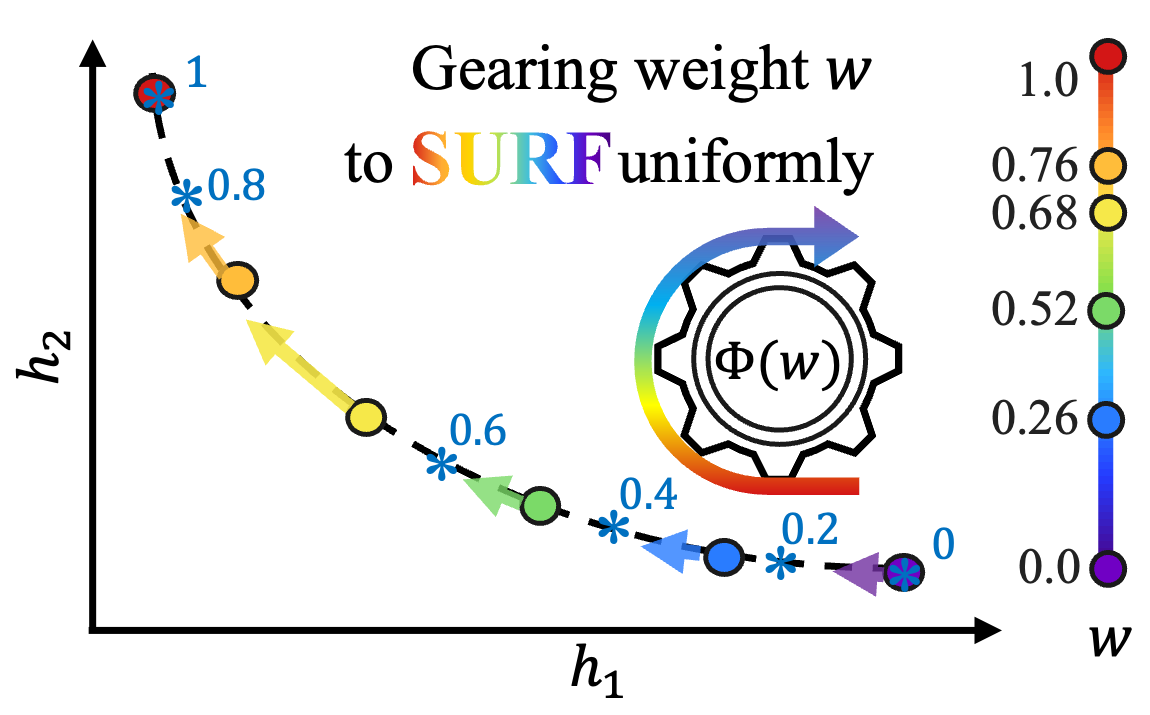
Use the geometry of the Pareto front to choose weights that produce more evenly spaced model trade-offs.
Equal steps in a preference weight can leave gaps on the Pareto front. I study how the front’s geometry can guide the choice of weights.
Choosing an LLM summarizer. Each candidate balances summary quality and factual faithfulness. Each point is a different balance between these goals.
Higher scores are better. Click a point to explore a candidate.
Even weight steps can leave gaps between choices.
Illustrative normalized scores. SURF studies quality and faithfulness rewards in LLM summarization. See the paper’s application.
In bilevel optimization, an outer decision changes an optimized inner response. I study how curvature, update rules, and moving constraints affect the cost of learning.
The shop wants profit. The customer wants a purchase that is worth the price.
Add optional constraints
No extra constraints.
How much bread the customer chooses at each price.
Profit(x, y) = (x − 1)y
The curve shows profit at each price, using the customer’s purchase y*(x).
At $3 per kg, the customer buys 5 kg. The bakery earns $10.
The bakery chooses x. The customer determines y, so the bakery’s profit follows the response curve.
Without extra limits, the customer prefers 8 − x kg. This maximizes their modeled satisfaction minus the price paid. Bread costs the shop $1 per kg, so profit is (x − 1)y.
A budget limits spending: xy ≤ 12. Stock limits the amount bought: y ≤ 3.
My application work develops training targets for speech models and studies the timing and memory of LLM agents’ decisions.
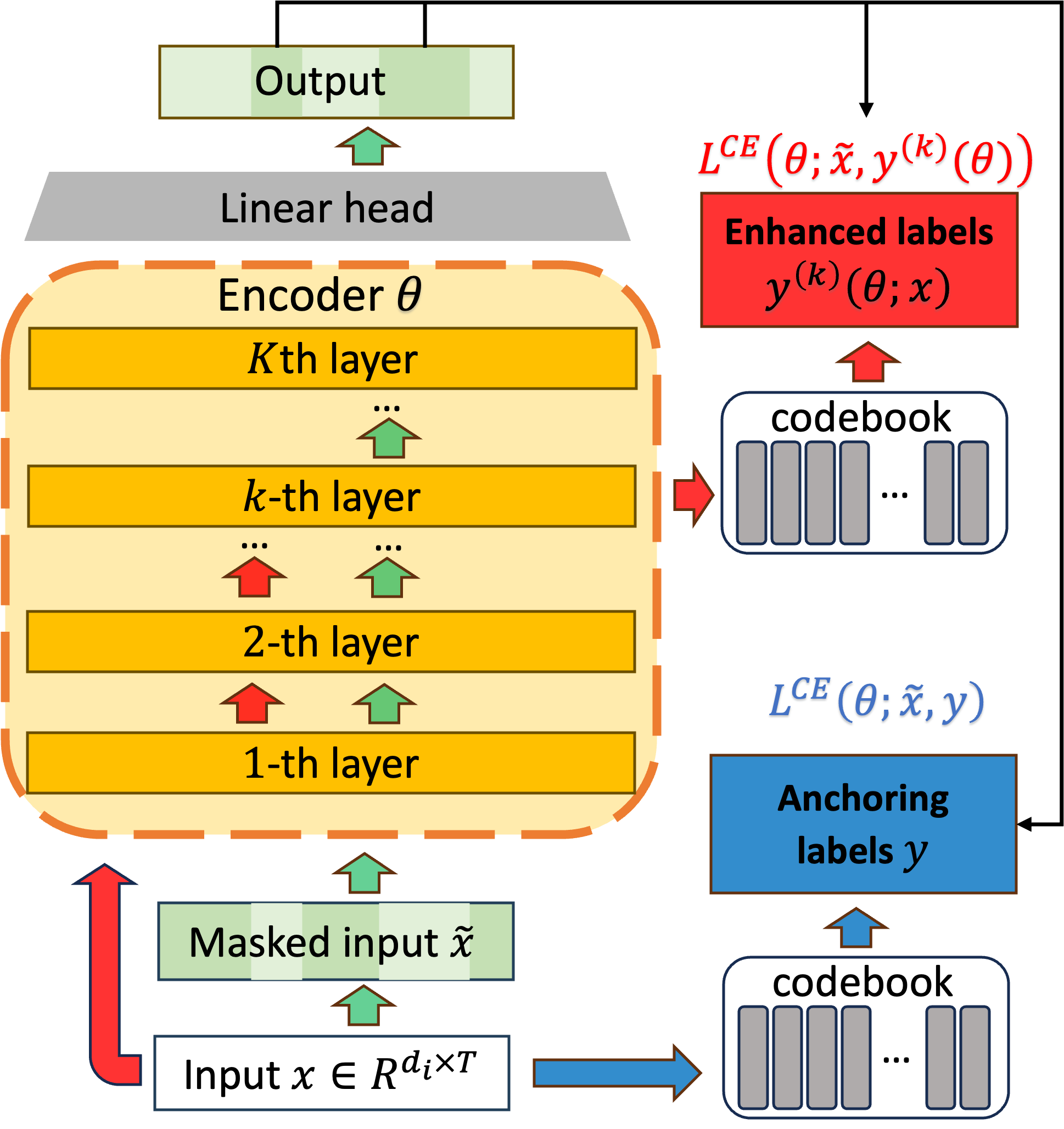
Enhanced labels evolve with the encoder; input-based anchors stabilize training.
Original BiRQ Figure 1. Paper source
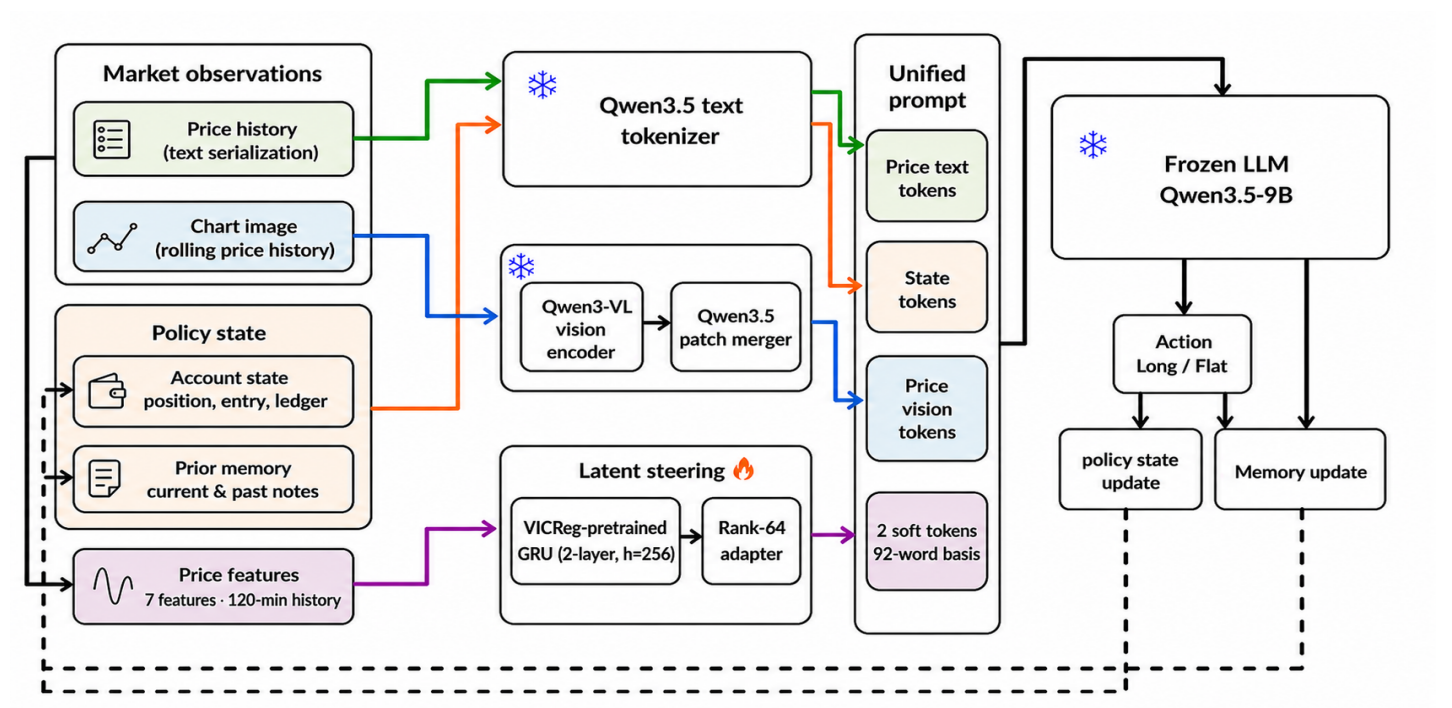
The agent commits to long or flat before the next return is revealed.
Original RetailAgent Figure 2. Paper source
NeurIPS 2026
Use the geometry of the Pareto front to choose weights that produce more evenly spaced model trade-offs.
NeurIPS 2026 · IAB Workshop
A controlled audit of when LLM trading agents choose exposure, and what those decisions reveal.
ICASSP 2026
Preprint first released in 2025.
Reuse a speech model’s own representations to improve its training targets, with raw-input anchors.
arXiv preprint · 2025
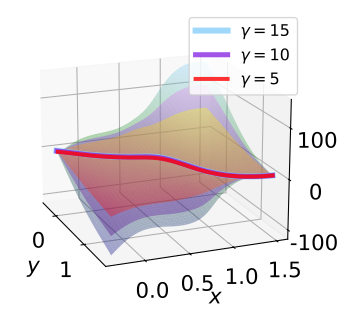
A broader analysis of alternating updates, flatness, and the cost of coupled constraints.
EUSIPCO 2025
Analyze curvature along the lower-level response to sharpen penalty-method iteration bounds.
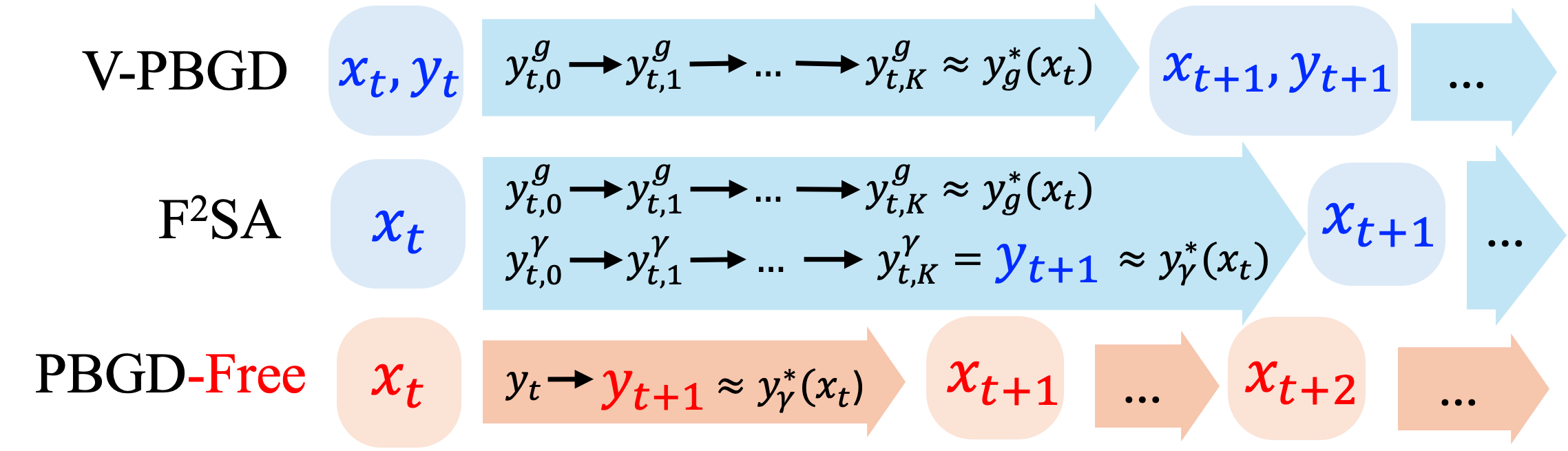
NeurIPS 2025
Use upper-level flatness to remove the value-function response computation from penalty-based bilevel training.
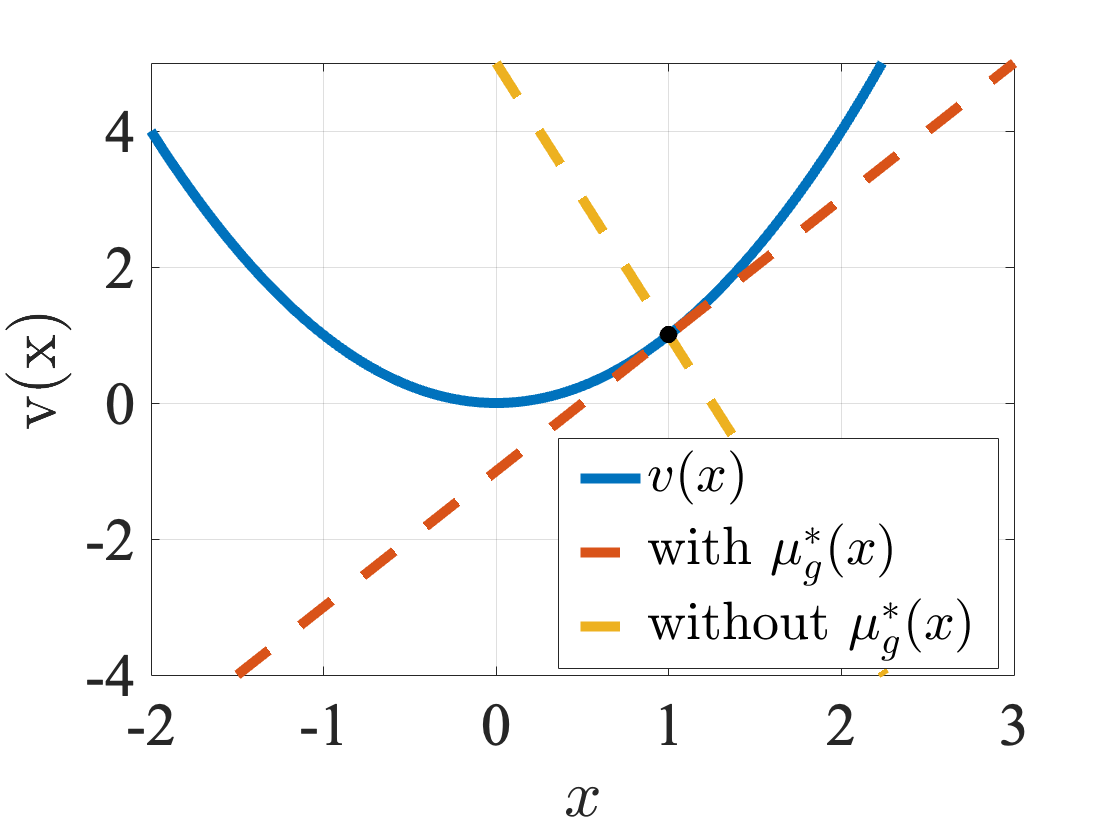
NeurIPS 2024
Optimize a leader’s decision when that decision also changes the follower’s feasible set.
I am a PhD student in Electrical and Computer Engineering at the University of Rochester, advised by Prof. Lisha Chen. Previously, I was a PhD student at Rensselaer Polytechnic Institute, advised by Prof. Tianyi Chen.
I study how optimization shapes learning: navigating competing objectives, solving nested problems, and understanding model behavior.